
Dental Bone Graft: Why You Might Need One Before an Implant
If you have been told you need a dental bone graft before a dental implant, it is natural to have questions. What is a bone graft? Why is it needed? What does it involve?
This guide explains what a dental bone graft is, why bone matters for implants, how your dentist decides whether you need one, what the procedure involves, and the risks and limitations to consider. It finishes with questions to bring to your consultation.
This article is general information only. It is not a diagnosis. Whether a graft suits you depends on an examination and imaging of your mouth.
What is a Dental Bone Graft?
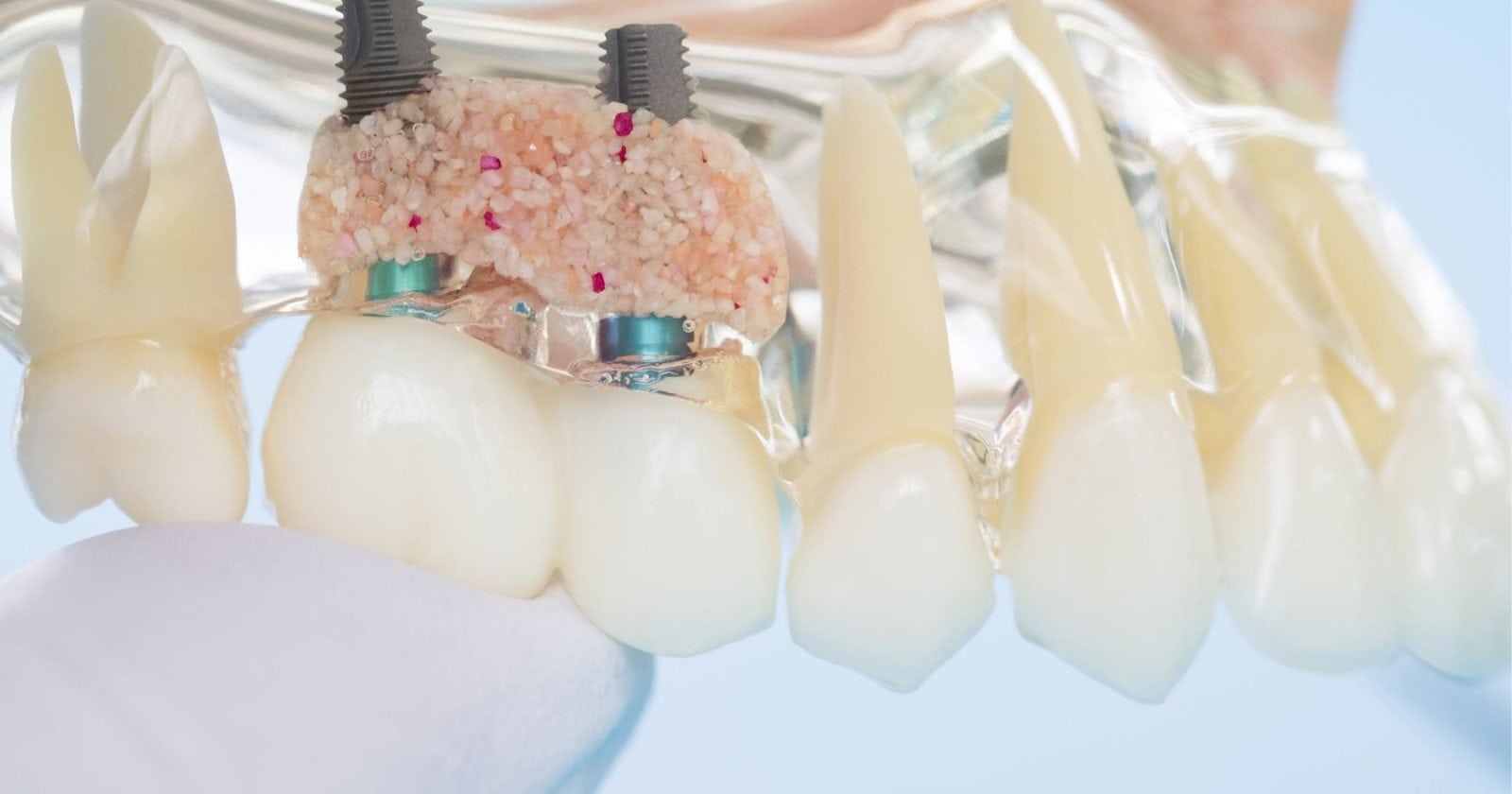
A dental bone graft is a surgical procedure that adds bone or bone-like material to an area of the jaw where there is not enough bone. Over time, your body's own cells may use this material as a framework for new bone to form.
The aim is to build up or maintain the volume of the jaw so an implant can be placed with enough support around it. A graft is not an implant. It is a separate step that may be recommended beforehand.
Why Bone Matters for a Dental Implant
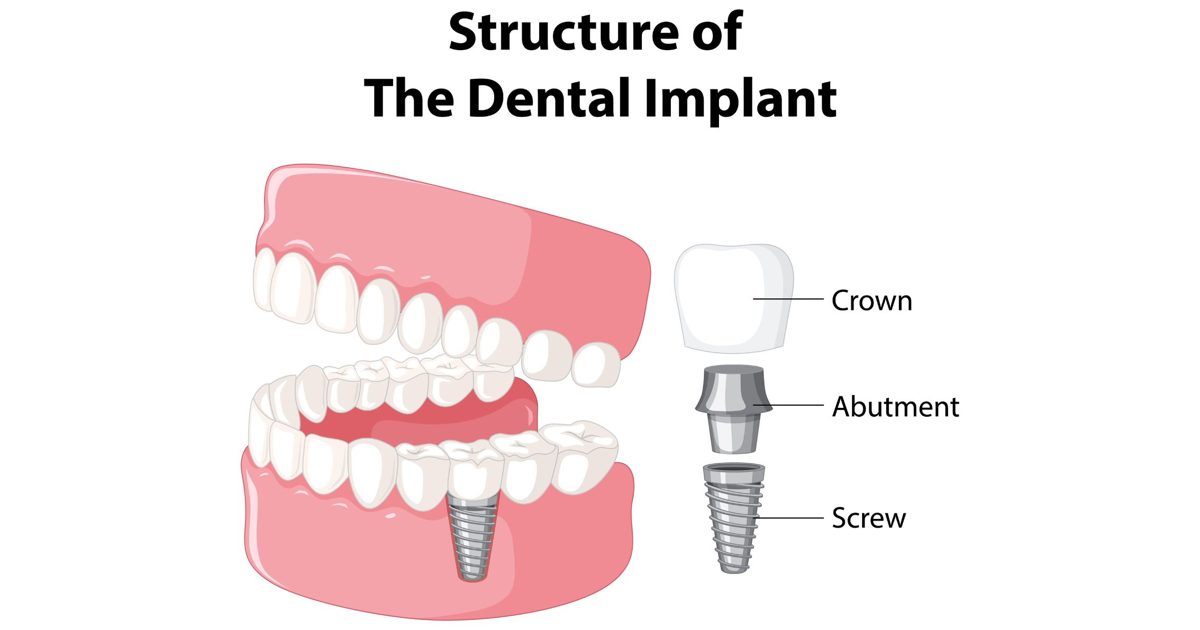
A dental implant is a small post placed in the jaw to support a crown, bridge or denture. It relies on the surrounding bone to hold it in position.
If the bone is too thin, too short or too soft in the area where the implant is planned, the implant may not have enough support. Your dentist will assess whether the bone is adequate. If it is not, a graft may be one option to discuss.
Not everyone needs a graft. Some patients have enough bone for an implant without any additional treatment.
Why Bone Can Be Lost in The Jaw
The jaw bone around your teeth is kept in shape partly by the presence of the teeth themselves. When a tooth is lost, the bone in that area can gradually reduce in volume. Several things can contribute to bone loss:
- Tooth loss. The longer a space has been empty, the more the bone in that area may have changed.
- Gum disease. Advanced gum disease can damage the bone that supports the teeth.
- Infection. An infection at the root of a tooth can affect the surrounding bone.
- Injury. Trauma to the mouth or jaw can damage bone along with the teeth.
- Dentures. Wearing a denture over a long period may be associated with changes to the underlying bone.
- Missing teeth from an early age. Where a tooth never developed, the bone in that area may be narrower.
The upper back jaw has an additional factor. The sinuses sit above the upper back teeth, and the space between the jaw and the sinus can be limited. This is one reason grafting is sometimes discussed for upper back teeth.
How Your Dentist Decides Whether You Need a Graft
The decision starts with an examination. Your dentist will usually:
- Ask about your medical and dental history, including any conditions that may affect healing.
- Examine your teeth, gums and the area where the implant is planned.
- Review X-rays and any other imaging your dentist considers appropriate to assess the height, width and density of the bone.
- Discuss your goals and the options available to you.
From this, your dentist can explain whether your bone appears adequate, whether a graft is worth considering, and what the alternatives might be. This is why self-diagnosis from articles or photos is unreliable. The bone you cannot see is the part that matters most.
If you are weighing up where to have implant treatment, our article on dental implants in Australia vs overseas: what Cheltenham patients need to know covers questions worth asking about planning, follow-up care and what happens if something needs adjusting later.
Types of Bone Grafting You May Hear About
Grafting is not one single procedure. The approach depends on where the bone is needed and how much is missing. These are the terms you may come across. For details on what is available at Captivate Dental, call the practice or book a consultation.
Socket preservation. When a tooth is removed, graft material may be placed in the empty socket to help maintain the shape of the jaw while it heals. This is sometimes done when an implant is planned for the future.
Ridge augmentation. If the jaw ridge has become too narrow or low, graft material may be added to build it up before an implant is considered.
Sinus lift. In the upper back jaw, graft material may be placed near the floor of the sinus to create more bone height for an implant.
Where Graft Material Comes From
Graft material can come from different sources, and your dentist will discuss the options and the reasons behind the recommendation:
- Your own bone, taken from another part of your mouth or body.
- Donor human bone, processed for dental use.
- Animal-derived bone, processed for dental use.
- Synthetic material, made in a laboratory.
Each option has its own considerations, including how the material is sourced, how it is handled and how it may suit your situation. If you have personal, cultural or religious preferences about the source of graft material, tell your dentist early so they can be part of the discussion.
What Happens During a Bone Graft
Every case is different, but a bone graft generally follows these stages.
- Planning. Your dentist reviews your imaging, explains the proposed approach and answers your questions before any treatment begins.
- Anaesthesia. Local anaesthetic is used to manage discomfort during the procedure. Individual experiences vary, and you can tell your dentist if you feel uncomfortable at any point.
- Access to the bone. The gum is moved aside to expose the area that needs treatment.
- Placing the graft. The graft material is positioned where bone is needed. It may be covered with a protective membrane to help hold it in place.
- Closing the area. The gum is repositioned and closed, usually with stitches.
Some patients have a graft at the same visit as another procedure, such as an extraction. In other cases, the graft is done first, and the area is left to heal before an implant is considered. Your dentist will explain the sequence that applies to you.
Recovery and Aftercare
After a bone graft, it is common to experience some swelling, tenderness or bruising around the treated area. How much varies between patients and depends on the extent of the procedure.
Healing time also varies. It depends on the size of the graft, the area treated, your general health and how closely you follow aftercare instructions. Your dentist will advise you on when your area has healed enough to move to the next stage.
Aftercare instructions are specific to your case, but they commonly cover:
- Keeping the area clean as directed, and avoiding disturbing the site with your tongue or fingers.
- Eating soft foods and avoiding chewing on the treated area.
- Avoiding smoking, which can interfere with healing.
- Using any prescribed products exactly as directed.
- Attending your review appointments so your dentist can check how the area is healing.
Contact the practice if you notice anything that concerns you, such as swelling that is increasing, a bad taste, discharge, a fever, or bleeding that does not settle. Prompt advice matters if something does not seem right.
Risks and Limitations
A bone graft is surgery, and like any surgical procedure, it carries risks. Your dentist should explain these to you before you decide to go ahead. They include:
- Infection at the surgical site.
- Swelling, bruising and discomfort during healing.
- Graft not integrating. The graft may not bond with your natural bone as intended, which can mean the area needs further treatment or the plan changes.
- Loss of some graft material during healing.
- Changes in sensation. In some cases, numbness or tingling can occur in the lip, chin, tongue or gums if nearby nerves are affected.
- Sinus complications. A sinus lift can involve the sinus membrane, and complications can occur.
- Further surgery. Some cases need an additional procedure.
Results vary between patients. A graft does not guarantee that an implant can be placed, and having an implant placed does not guarantee a particular outcome. Factors such as smoking, uncontrolled diabetes, gum disease and some medical conditions can affect healing and are worth raising with your dentist.
There are also limitations to consider. A graft adds time to treatment; it may mean more than one procedure, and it may involve additional appointments. For some people, alternatives such as a different implant approach, a bridge or a denture may be more suitable. Your dentist can talk you through these.
Questions to Ask at Your Consultation
Going into a consultation with a few questions helps you get the most from it. Consider asking:
- Why do you think I need a graft, and what do my scans show?
- Which type of graft is being recommended for me, and why?
- What are the material risks and limitations in my case?
- What are the alternatives, including not having a graft?
- Who will be involved in each stage of my treatment?
- What will recovery involve, and what should I do if I have a concern?
- What are the total costs and what do they include?
- What follow-up care is part of the plan?
Bone Graft FAQs
Do all dental implants need a bone graft?
No. Some patients have enough bone for an implant without a graft. Your dentist will assess this with an examination and imaging.
Is a dental bone graft painful?
Local anaesthetic is used to manage discomfort during the procedure. Individual experiences vary. Some tenderness, swelling or bruising is common afterwards, and your dentist will give you aftercare advice.
How long does it take to heal after a bone graft?
Healing varies between patients. It depends on the type and size of the graft, the area treated and your general health. Your dentist will review the area and advise you when it is ready for the next stage.
Can a bone graft fail?
Yes, it can. A graft may not integrate as intended, or an infection may affect healing. If this happens, your dentist will discuss what can be done next. This is one reason follow-up appointments matter.
Where does the graft material come from?
It may come from your own body, from processed donor human bone, from processed animal-derived bone, or from synthetic material. Your dentist can explain the options and which one they recommend for you.
Should I have a bone graft overseas to save money?
Grafting and implant treatment involve planning, surgery and follow-up care over a period of time. If you are considering treatment overseas, think about who will review the area if something needs attention after you return. Our article on implants in Australia vs overseas covers this in more detail.
Book an Implant Consultation in Cheltenham
Not sure whether your jaw has enough bone for an implant, or have you been told you may need a graft? The next step is an examination.
At Captivate Dental, your dentist can review your mouth and any imaging, explain your options and answer your questions before you decide on anything.
Call us on (03) 9553 1249 or book online to arrange an implant consultation.
We are at 36 Chesterville Road, Cheltenham, VIC 3192, and we see patients from Cheltenham, Moorabbin, Bentleigh, Hampton, Highett and Brighton East.
This article is general information and does not replace advice from a registered dental practitioner. All surgical and dental procedures carry risks. Results vary between patients. Ask your dentist whether the treatment is appropriate for you.