
Fluoride Treatment: What It Does and Who Actually Benefits

Fluoride treatment is one of the more established preventive tools in dentistry, but not every patient needs it at every visit. This guide covers what fluoride treatment does to the teeth, the different ways it’s applied, and who benefits most from having it done professionally rather than relying on fluoride toothpaste alone.
What Fluoride Treatment Actually Does
Topical fluoride works by strengthening the outer layer of enamel, making it more resistant to the acid produced by plaque bacteria after eating. It can also help support remineralisation in areas where enamel has started to lose minerals, sometimes visible as early white spots, before an actual cavity has formed.
Professional fluoride treatment uses a higher concentration than what’s found in toothpaste or tap water. It is applied directly to the tooth surface, which is why it’s used as an additional measure rather than a replacement for daily fluoride toothpaste.
Fluoride Varnish
Fluoride varnish is the most common way fluoride is applied professionally. It’s a sticky, concentrated fluoride solution painted directly onto the teeth, which sets on contact with saliva and adheres to the tooth surface. The application itself takes only a short appointment, and your dentist will generally advise avoiding hot food and drink for a few hours afterwards, and holding off on brushing for the rest of that day, to give the varnish time to work.
Who Actually Benefits From Fluoride Treatment
Fluoride treatment isn’t something every patient needs at every check-up. Whether it’s recommended generally depends on individual risk factors:
Fluoride for children is commonly recommended during the years when teeth are developing and still establishing their mineral structure, since this is a period when additional support can have a significant impact on long-term enamel strength.
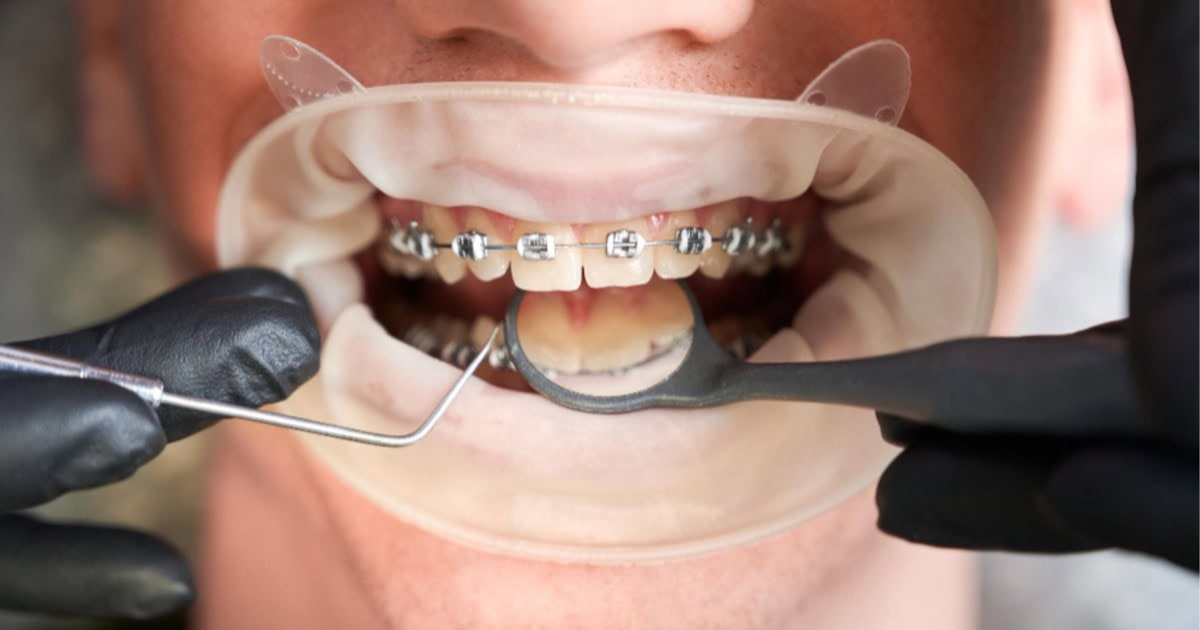
Patients with a higher risk of decay, including those with a history of frequent cavities, reduced saliva flow, or orthodontic treatment that makes thorough cleaning more difficult around brackets and wires, are often considered good candidates for regular fluoride treatment.
Patients with early signs of demineralisation, such as white spots on the enamel, may be recommended fluoride as part of trying to support the tooth before any further mineral loss occurs.
Fluoride and sensitivity are also connected: fluoride treatment can help reduce sensitivity in some patients by supporting the enamel and helping to block the microscopic channels in exposed dentine that transmit sensation to the nerve, which is relevant for patients dealing with sensitivity from gum recession or enamel wear.
For patients without these risk factors, a dentist may determine that daily fluoride toothpaste alone is sufficient, since this decision is based on individual assessment rather than a blanket recommendation for every adult patient.
Fluoride Treatment Cost
Cost varies depending on the practice, whether fluoride treatment is done as a standalone appointment or bundled into a broader check-up and clean, and individual pricing structures. Practices sometimes run offers or promotions that include fluoride treatment as part of a package, so it’s worth asking directly about current pricing and any offers available at the time of your visit.
Is Fluoride Treatment Safe?
Fluoride treatment is considered safe when applied by a dental professional using an appropriate, controlled amount for the patient’s age and needs. Swallowing large amounts of fluoride, particularly in young children, isn’t recommended, which is part of why professional application, rather than home use of high-concentration products, is managed carefully by your dentist.
FAQ
Does every check-up include fluoride treatment?
Not necessarily. Whether fluoride treatment is included depends on the individual patient’s risk factors and what their dentist recommends, rather than being a standard part of every visit for every patient.
Is fluoride treatment only for children?
No. While it’s commonly recommended for children during tooth development, adults with a higher risk of decay, sensitivity, or early signs of enamel demineralisation can also benefit from it.
How often should fluoride treatment be done?
This depends on individual risk factors and is generally recommended by your dentist based on your specific situation, rather than a fixed schedule that applies to everyone.
Can adults really benefit from fluoride treatment?
Yes. Adults with a higher risk of decay, gum recession leading to sensitivity, or early enamel changes can benefit, even though fluoride treatment is often associated with children’s dentistry.
What’s the difference between professional fluoride treatment and fluoride toothpaste?
Professional fluoride treatment uses a higher concentration applied directly to the teeth, generally as a varnish, compared to the lower concentration used in daily toothpaste. Both play a role, but professional treatment is an additional measure rather than a replacement for daily brushing with fluoride toothpaste.
Does fluoride treatment hurt or taste unpleasant?
The application itself doesn’t involve any discomfort. Fluoride varnish has a taste and texture some patients notice, though this varies, and it isn’t described as uncomfortable to have applied.
Book a Dental Check-Up and Clean in Cheltenham
If you’re wondering whether fluoride treatment is right for you or your child, a check-up is the way to get an answer based on your individual risk factors.
At Captivate Dental, we serve patients from Cheltenham, Moorabbin, Bentleigh, Hampton, Highett, and Brighton East.
Call us on (03) 9553 1249 or book online. Visit us at 36 Chesterville Road, Cheltenham, VIC 3192.
Any surgical or invasive procedure carries risks. Before proceeding, consider seeking a second opinion from an appropriately qualified health practitioner.