Do I Need Orthodontic Treatment? Signs, Options, and What to Expect
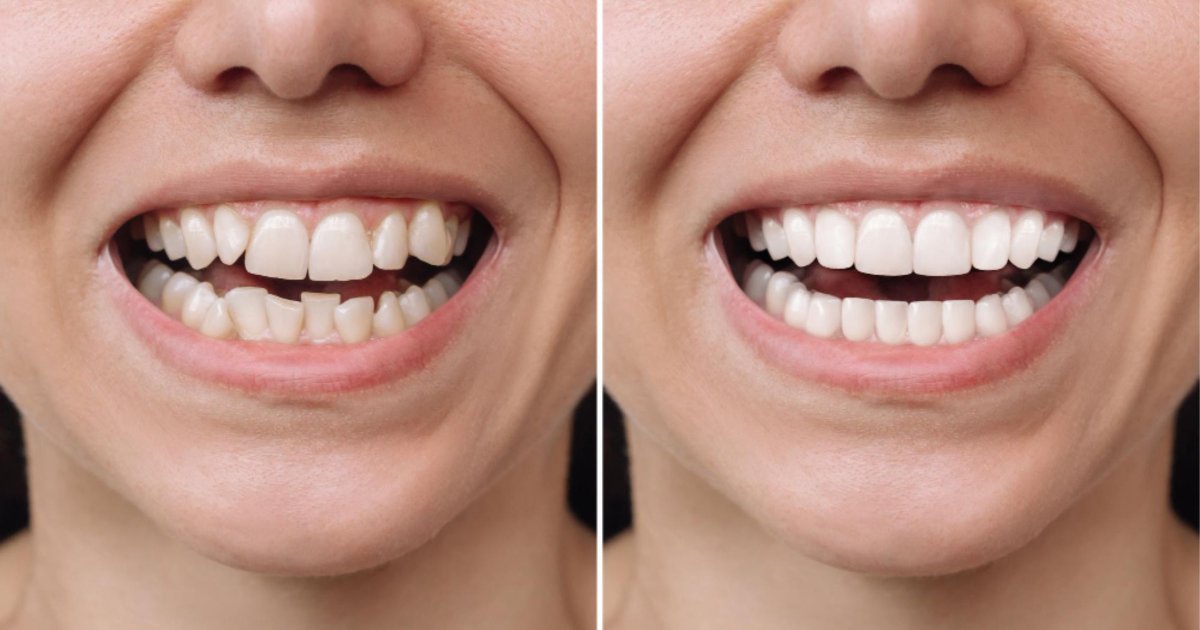
Most people have a sense that their teeth aren’t perfectly straight — but knowing whether that actually warrants orthodontic treatment is less obvious. Crooked teeth are common, and not every misalignment needs correcting. What matters is whether it affects function or hygiene, or causes problems that will worsen over time.
Here’s how to tell, what the options are, and what treatment involves.
What Is Orthodontic Treatment?
Orthodontics addresses the alignment of teeth and the relationship between the upper and lower jaws. It’s not purely cosmetic — while straighter teeth are an obvious outcome, orthodontic treatment also corrects bite problems, improves the ability to clean teeth effectively, and in some cases addresses jaw function and speech.
Treatment works by applying controlled, sustained pressure to the teeth over time, gradually moving them into better positions. The appliance used — whether fixed or removable — determines how that pressure is applied and how visible it is during treatment.
Signs You Might Need Orthodontic Treatment
Not everyone who wants straighter teeth needs orthodontic treatment, and not everyone who needs it is primarily motivated by aesthetics. These are the situations where treatment is worth considering:
Crowded or crooked teeth
When teeth don’t have enough room to erupt in their correct positions, they overlap, rotate, or push neighbouring teeth out of alignment. Beyond the appearance, crowded teeth are harder to brush and floss effectively — which makes the afflicted areas more vulnerable to gum disease and decay.
Gaps between teeth
Spacing issues can result from missing teeth, teeth that are smaller than average, or a jaw that’s larger than the teeth it contains. Gaps allow food to pack between teeth and can affect bite function depending on their location.
Overbite
It’s normal for your upper front teeth to overlap the lower ones a little. But if the overlap is too great, it can gradually wear down the lower teeth and sometimes place extra strain on the jaw.
Underbite
When you bite down, the lower front teeth sit in front of the upper front teeth. This affects how the teeth wear against each other and can place strain on the jaw joints over time.
Crossbite
Instead of sitting outside the lower teeth, one or more upper teeth sit inside them. A crossbite can cause uneven wear, gum recession on the affected teeth, and jaw asymmetry if left untreated in younger patients.
Jaw problems
Difficulty chewing, jaw clicking or pain, or a jaw that shifts to one side when biting can all have an orthodontic component. These issues are worth discussing with a dentist to determine whether alignment is a contributing factor.
Speech difficulties
Some speech patterns — particularly lisps or difficulty with certain sounds — are influenced by tooth and jaw position. Orthodontic correction can improve these in some cases, particularly when addressed early.
When to Start
Orthodontic issues can be treated at any age, but timing matters.
For children, an evaluation is recommended from around age seven. At this stage, a dentist can identify developing problems — crowding, bite issues, jaw discrepancies — and determine whether early intervention is appropriate. Not all issues warrant early treatment, but some are significantly easier to address while the jaw is still developing.
For teenagers, orthodontic treatment is common and often the most efficient time to act. The teeth and jaws are still growing, and treatment tends to progress more quickly than in adults.
For adults, treatment is equally effective — it simply takes longer in some cases because the jaw is fully developed. There are no age limits on orthodontics, and many adults complete treatment successfully in their 30s, 40s, and beyond.
Orthodontic Options at Captivate Dental
At Captivate Dental, we offer two main orthodontic options. Which is appropriate depends on the complexity of the case, lifestyle preferences, and age.
Invisalign
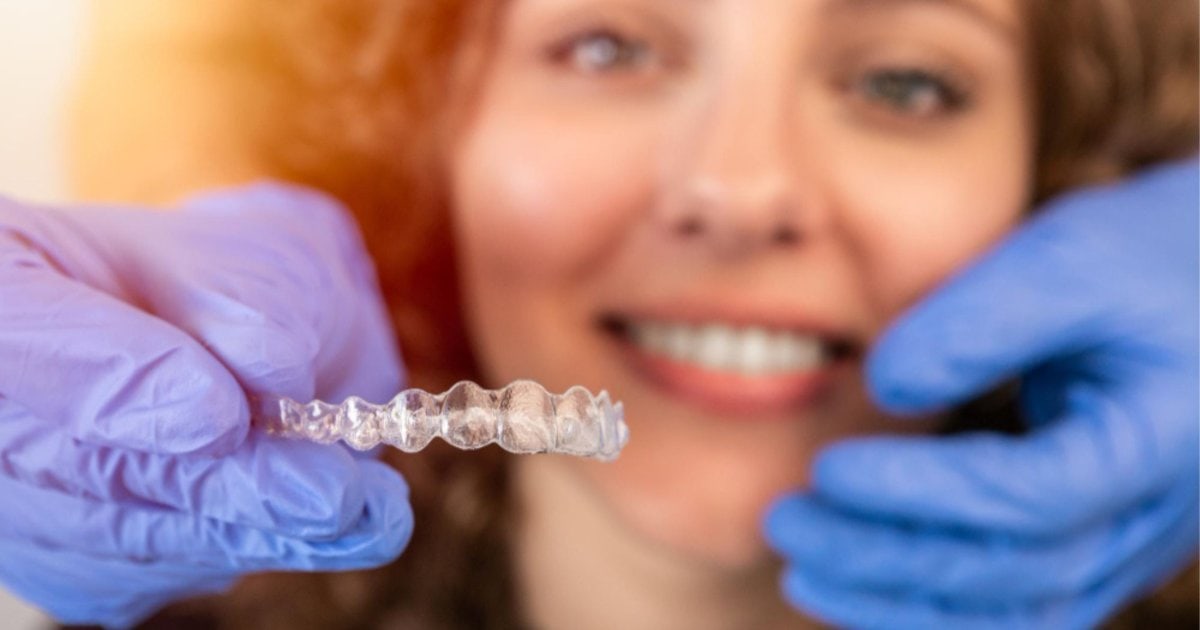
A sequence of specially designed, transparent removable appliances that move teeth slowly into an arch over a period of time. A series of aligners are usually worn for about a week or two at a time. Invisalign is a favourite amongst older teenagers and adults as the aligners are practically impossible to notice and can be taken out while eating, flossing and brushing.
Invisalign is well suited to mild to moderate alignment issues. Complex bite corrections or significant tooth movements may be better addressed with fixed braces.
Your Cheltenham dentist will assess whether Invisalign can achieve the outcome you’re looking for before recommending it.
Metal braces
Fixed braces use brackets and an archwire to move teeth gradually, with regular adjustments throughout treatment. Metal braces have come a long way. Modern brackets are smaller, more comfortable, and much less noticeable than the braces many people remember.
Fixed braces are effective across a wider range of cases than aligners, including complex bite corrections and significant tooth movements. They’re also the option where patient compliance is less of a factor — since they can’t be removed, they work continuously.
What to Expect During Treatment
Treatment starts with an orthodontic evaluation, including X-rays, photographs, and impressions or digital scans. This gives a complete picture of the alignment issues present and what treatment will involve.
A treatment plan is then developed, outlining which option is recommended, how long treatment is expected to take, and what the process involves at each stage. Some cases require a tooth extraction beforehand to create space for movement — your dentist will flag this during the evaluation if it applies.
Once treatment begins, regular appointments are scheduled for adjustments—typically every 4 to 8 weeks, depending on the appliance. These visits are shorter than the initial assessment and are used to monitor progress and make adjustments.
Treatment length varies considerably depending on the complexity of the case. Simple alignment corrections may take under a year.
If your bite is more complex, treatment can take two years or even longer. Your Cheltenham dentist will give a realistic estimate based on your specific situation.
After active treatment, a retainer is worn to hold the teeth in their new positions. Without retention, teeth naturally tend to drift back towards their original positions, particularly during the first year after treatment.
We offer a free orthodontic consultation — a straightforward way to find out whether treatment is appropriate and which option suits your case before committing to anything.
Frequently Asked Questions
At what age should my child have an orthodontic evaluation?
Around age seven is the standard recommendation. At this age, enough permanent teeth have come through to spot developing problems, and some are easier to treat while the jaws are still growing. An evaluation doesn’t necessarily mean treatment will start immediately — it’s about identifying whether and when intervention is appropriate.
Does orthodontic treatment hurt?
Discomfort rather than pain is the more accurate description. Teeth feel tender, and pressure is noticeable for a few days after each adjustment — this is the sensation of the teeth beginning to move. It settles quickly and is manageable with over-the-counter pain relief if needed.
Can I still get orthodontic treatment as an adult?
Yes. There’s no upper age limit on orthodontic treatment. Adults make up a significant proportion of orthodontic patients and achieve the same outcomes as younger patients — treatment may take slightly longer in some cases, but the result is the same.
How long does orthodontic treatment take?
It varies widely — from under a year for mild cases to two years or more for complex corrections. Your dentist will give an estimate based on your specific alignment issues after an evaluation.
Will I need to wear a retainer after treatment?
Yes. A retainer is an essential part of the process. Without retention, teeth gradually shift back toward their original positions. Most patients wear a retainer full-time initially and then transition to night-time wear over time.
Orthodontic Treatment in Cheltenham
If you’re wondering whether orthodontic treatment is right for you or your child, a free consultation is the best place to start.
To claim your FREE Consultation for orthodontics, visit your Cheltenham dentist today at Captivate Dental! We serve patients from Cheltenham, Moorabbin, Bentleigh, Hampton, Highett, and Brighton East.
Call us on (03) 9553 1249 or book online. Visit us at 36 Chesterville Road, Cheltenham.