
Implant-Supported Dentures: How They Differ From Regular Dentures
If your dentures feel loose, or you are weighing up options for replacing missing teeth, you may have come across implant-supported dentures. They look similar to regular dentures, but they are held in place differently, and that changes how they feel, how they are made and what is involved.
This guide explains what implant-supported dentures are, what the common terms mean, how they differ from regular dentures, who may be considered, what the process involves, how to care for them, and the risks and limits. It stays general, and it doesn’t replace an assessment.
This article is general information only. It is not a recommendation; whether implants suit you depends on an examination, your general health and imaging of your jaw.
What are Implant-Supported Dentures?
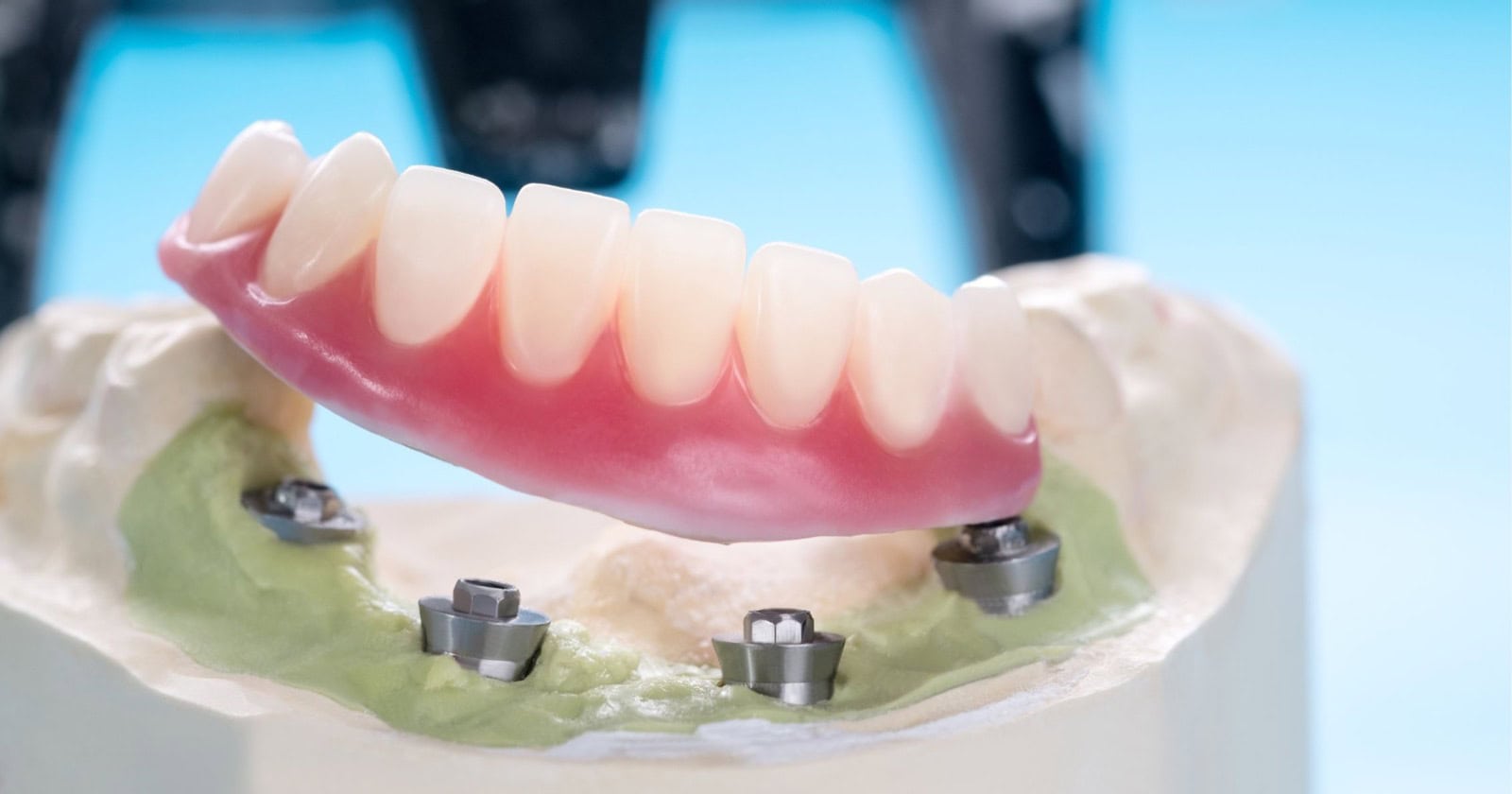
An implant-supported denture is a denture that is held in place by dental implants. Implants are small posts, usually made of titanium, that are placed in the jaw to act like artificial tooth roots. The denture then attaches to them.
Instead of relying only on the gums, suction or adhesive, the denture has a firm connection to the jaw. That is the main difference from a regular denture.
Implant-Supported, Implant-Retained, Overdentures and Snap-in Dentures: What Do the Terms Mean?
The terms overlap, and different practices use them differently. In general:
- Implant-supported dentures are the broad term for dentures held by implants.
- Implant-retained dentures and overdentures usually refer to removable dentures that clip onto implants. You can take them out to clean them.
- Snap-in dentures are an everyday term for the same removable type, where the denture “snaps” onto attachments on the implants.
- Fixed implant dentures are fixed to the implants and are generally removed only by your dentist.
If you hear one of these terms, ask what it means in your case and whether the denture will be removable.
How Regular Dentures Work
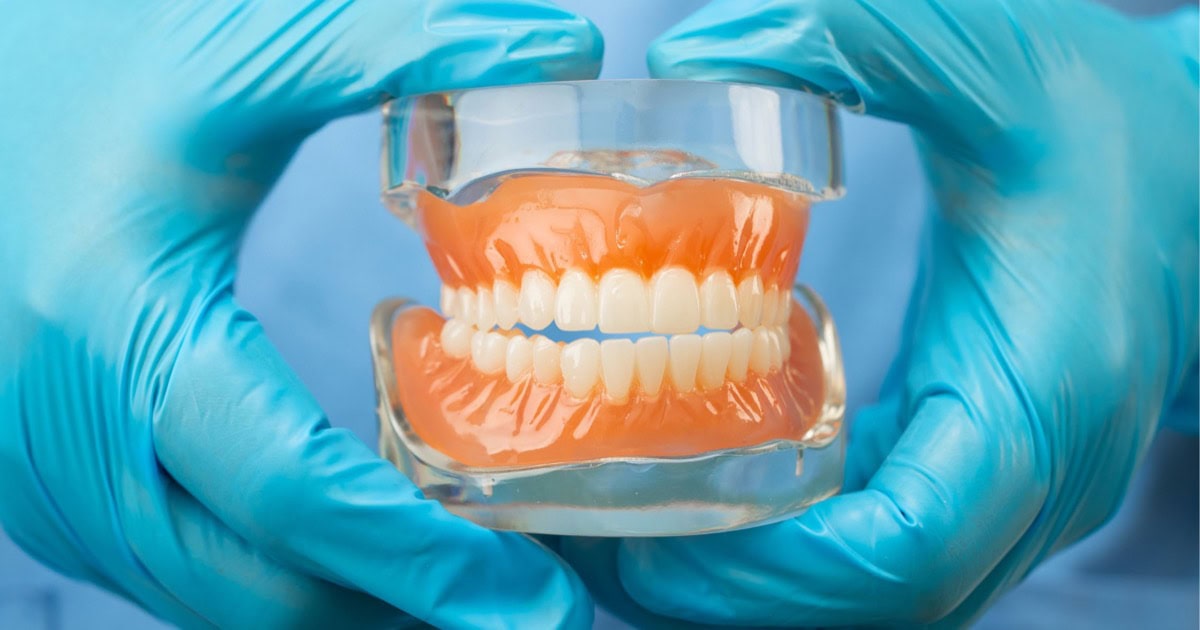
Regular, or conventional, dentures sit on the gums. A full upper denture is held mainly by suction against the roof of the mouth. A lower denture has less to grip, so it can move more. Some patients use denture adhesive to help.
Over time, the jaw changes shape after teeth are lost, so dentures can become loose and may need relining or replacing. If your current denture is loose, our article on denture repair and relining explains what may help.
How Implant-Supported Dentures Differ from Regular Dentures
| Regular dentures | Implant-supported dentures | |
|---|---|---|
| How it stays in place | Gums, suction and sometimes adhesive | Attached to implants in the jaw |
| Stability | Can move, especially the lower | Generally more stable |
| Surgery | None | Needed to place the implants |
| Number of appointments | Fewer | More, over a longer period |
| Maintenance | Cleaning, relines and eventual replacement | Cleaning, regular reviews and replacement of worn attachments |
| Jawbone | No support from the denture itself | Implants may help maintain the bone around them |
| Suitability | Suits most patients who need dentures | Needs enough bone, good health and an assessment |
Many patients find implant-supported dentures more stable when eating and speaking, but experiences vary, and they are not right for everyone. They usually involve more appointments and a higher cost than a regular denture, and your dentist can explain what to expect in your case.
Who May Be Considered for Implant-Supported Dentures
Your dentist may discuss implants if you:
- Have lost most or all of your teeth in one jaw.
- Find your current dentures loose, even after relining.
- Have enough jawbone, or may be suited to bone grafting first. Our bone grafting page explains what that involves.
- Are in good general health and your gums are healthy.
- Are willing to keep up daily cleaning and regular reviews.
Implants may not be suitable if you have uncontrolled health conditions, gum disease that hasn’t been treated, or heavy smoking habits, because these can affect healing and the long-term health of the implants. If you are comparing providers, our article on dental implants in Australia versus overseas covers what to ask.
What the Treatment Process Involves
Every case is different, but it generally follows these stages:
- Assessment. Your dentist examines your mouth, reviews your health history and takes imaging to look at the bone.
- Planning. You talk through your options, the type of denture, the number of implants, the risks and the timeline.
- Implant surgery. The implants are placed in the jaw, usually with local anaesthetic, and sometimes with sedation. Individual experiences vary.
- Healing. The implants need time to fuse with the bone before the denture is attached. How long this takes varies, and it is often several months.
- Fitting the denture. The denture is made and attached to the implants, and your dentist checks the fit and bite.
- Reviews. Follow-up visits check the implants, the attachments and how you are managing.
Where implants are placed, who places them and how the stages are shared between providers vary, so ask who will be involved at each stage.
Caring for Implant-Supported Dentures
- Clean the denture and around the implants every day, as your dentist shows you.
- Take removable dentures out to clean them, if you have that type.
- Keep up your check-ups and reviews, so problems around the implants are found early.
- Don’t smoke, which can affect the gums around implants.
- Don’t use the denture to bite very hard objects.
- Tell your dentist if the denture feels loose or you notice soreness or swelling.
Parts of the denture, such as the attachments, wear over time and may need replacing.
What to Weigh Up: Risks and limits
Implant surgery is a surgical procedure, and your dentist should explain the risks before you decide. They include:
- Infection, bleeding or swelling after surgery.
- An implant that doesn’t fuse with the bone, which can mean it needs to be removed or replaced.
- Gum disease around the implants, which can lead to bone loss.
- Nerve changes, such as numbness, in some cases.
- Sinus problems when implants are placed in the upper jaw.
- Loose or worn attachments that need maintenance.
- Further surgery in some cases.
There are also limits. The process takes longer than for a regular denture; it needs enough bone, and it doesn’t remove the need for ongoing care. Some patients stay with regular dentures, or choose a partial denture or bridge instead.
Results vary between patients.
Implant-Supported Dentures FAQs
Can my existing denture be used with implants?
Sometimes. A denture can occasionally be adapted to attach to implants, but it depends on its fit and condition. Your dentist will assess whether it can be used or if a new one is better.
Do I take them out at night?
It depends on the type. Removable dentures are usually taken out as your dentist advises. Fixed dentures are not removed by the patient. Ask what applies to yours.
Is the procedure painful?
Local anaesthetic is used to manage discomfort during surgery, and sometimes sedation is used. Individual experiences vary. Soreness, swelling and bruising afterwards are common, and your dentist will give you aftercare advice.
How many implants will I need?
It varies with the jaw, the design of the denture and what your assessment shows. Your dentist will explain the plan for you.
Ask Us About Your Denture Options in Cheltenham
Unhappy with loose dentures, or thinking about implants? The next step is an examination.
At Captivate Dental, your dentist can look at your mouth, talk through your denture options and explain whether implants may be worth considering, and who would provide each stage, before you decide on anything. You can also read about dentures in Cheltenham.
Call us on (03) 9553 1249 or book online to ask about your denture options.
We are at 36 Chesterville Road, Cheltenham VIC 3192, and we see patients from Cheltenham, Bentleigh, Highett, Hampton East, Moorabbin, Brighton East, Mentone and Black Rock.
This article is general information and does not replace advice from a registered dental practitioner. All surgical and dental procedures carry risks. Results vary between patients. Ask your dentist whether treatment is appropriate for you.